
Why You Should Avoid Sun Exposure and Tanning Beds: Protecting Your Skin the Smart Way
- Developer_Maulik
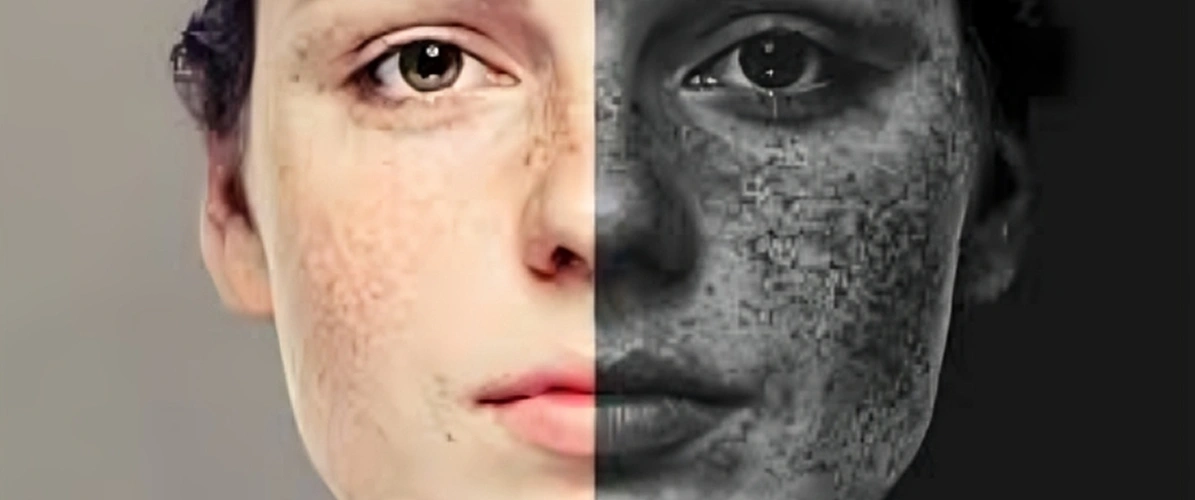
Here's a polished blog draft you can use for your website, clinic, or marketing materials: Why You Should Avoid Sun Exposure and Tanning Beds: Protecting Your Skin the Smart Way
Introduction
Healthy, radiant skin is something many people strive for, but achieving a bronzed glow through excessive sun exposure or tanning beds can come at a significant cost. While a tan may seem attractive in the short term, the long-term effects of ultraviolet (UV) radiation can accelerate skin aging, cause pigmentation concerns, and increase the risk of skin cancer.
Understanding how UV damage affects your skin and taking proactive steps to protect it can help you maintain a youthful, even complexion for years to come.
What Is UV Damage?
UV damage occurs when ultraviolet rays from the sun or artificial tanning beds penetrate the skin and damage skin cells. There are two primary types of UV rays that affect the skin:
- UVA Rays: Penetrate deep into the skin and are primarily responsible for premature aging, wrinkles, and pigmentation.
- UVB Rays: Affect the outer layers of the skin and are the main cause of sunburn and DNA damage.
When the skin is exposed to UV radiation, it produces more melanin (pigment) as a defense mechanism. This increase in melanin creates a tan, which is actually a visible sign of skin injury.
Key Benefits of Protecting Your Skin Protecting your skin from UV exposure offers numerous benefits beyond preventing sunburn.
1. Reduces Premature Aging
Regular sun protection helps prevent:
- Fine lines and wrinkles
- Loss of skin elasticity
- Sagging skin
- Rough skin texture
2. Prevents Uneven Pigmentation
Limiting UV exposure reduces the likelihood of:
- Sunspots
- Age spots
- Freckles becoming darker
- Melasma flare-ups
- Post-inflammatory hyperpigmentation
3. Maintains a More Even Skin Tone
Consistent sun protection helps preserve a clearer, brighter complexion and reduces discoloration caused by UV damage.
4. Lowers Skin Cancer Risk
Excessive UV exposure is one of the leading causes of skin cancer. Daily protection significantly reduces cumulative damage to skin cells.
5. Enhances Results from Professional Treatments
Procedures such as chemical peels, laser treatments, microneedling, and pigmentation treatments produce better, longer-lasting results when skin is protected from the sun.
Common Areas Affected by Pigmentation
Pigmentation can develop anywhere on the body exposed to UV radiation, but certain areas are particularly vulnerable:
- Face (cheeks, forehead, nose, upper lip)
- Neck
- Chest and décolletage
- Hands
- Forearms
- Shoulders
- Back
These areas often receive the highest levels of sun exposure throughout life, making them more susceptible to discoloration and premature aging.
What to Expect When Pigmentation Develops
Pigmentation often appears gradually and may worsen over time without proper protection.
Common signs include:
Sunspots (Solar Lentigines)
Flat brown spots that develop after years of sun exposure.
Freckles
Small pigmented spots that can become darker and more noticeable with UV exposure.
Melasma
Patchy brown or gray discoloration commonly seen on the cheeks, forehead, and upper lip.
Post-Inflammatory Hyperpigmentation
Dark marks left behind after acne, skin irritation, or injury that become more pronounced with sun exposure.
Many individuals seek professional treatments to improve pigmentation, but ongoing sun exposure can quickly reverse treatment results.
Long-Term Consequences of Sun Exposure and Tanning Beds
While tanning may provide temporary cosmetic results, the long-term effects can be significant.
Premature Skin Aging
UV radiation breaks down collagen and elastin, leading to:
- Deep wrinkles
- Fine lines
- Loss of firmness
- Thinner skin
Persistent Pigmentation Issues
Repeated UV exposure can make pigmentation deeper and more difficult to treat over time.
Broken Capillaries and Redness
Chronic sun damage may cause visible blood vessels and ongoing skin sensitivity.
Actinic Keratoses
These rough, scaly patches are considered precancerous lesions caused by cumulative sun exposure.
Increased Risk of Skin Cancer
Both natural sunlight and tanning beds expose the skin to harmful UV radiation that can damage DNA and increase the risk of:
- Basal cell carcinoma
- Squamous cell carcinoma
- Melanoma
Tanning beds are not a safer alternative to natural sunlight and may expose the skin to concentrated levels of UVA radiation.
Smart Ways to Protect Your Skin
Protecting your skin doesn't mean avoiding outdoor activities altogether. Instead, make sun safety part of your daily routine:
- Wear a broad-spectrum SPF 30 or higher every day.
- Reapply sunscreen every two hours when outdoors.
- Wear wide-brimmed hats and protective clothing.
- Avoid tanning beds completely.
- Schedule regular skin checks with a healthcare professional.
Final Thoughts
A tan may fade, but the damage caused by UV exposure can last a lifetime. By avoiding tanning beds, limiting excessive sun exposure, and committing to daily sun protection, you can preserve your skin's health, maintain a more youthful appearance, and reduce your risk of serious skin conditions.
Protecting your skin today is one of the smartest investments you can make for your future health and confidence.
This version is written in a professional, client-friendly style suitable for a medical aesthetics clinic, dermatology practice, or skincare website.
If you’re ready to improve your skin with Carbon Laser Treatment , our expert team is here to help.
Contact us today to book your consultation and take the first step toward clearer, smoother, and more radiant skin.